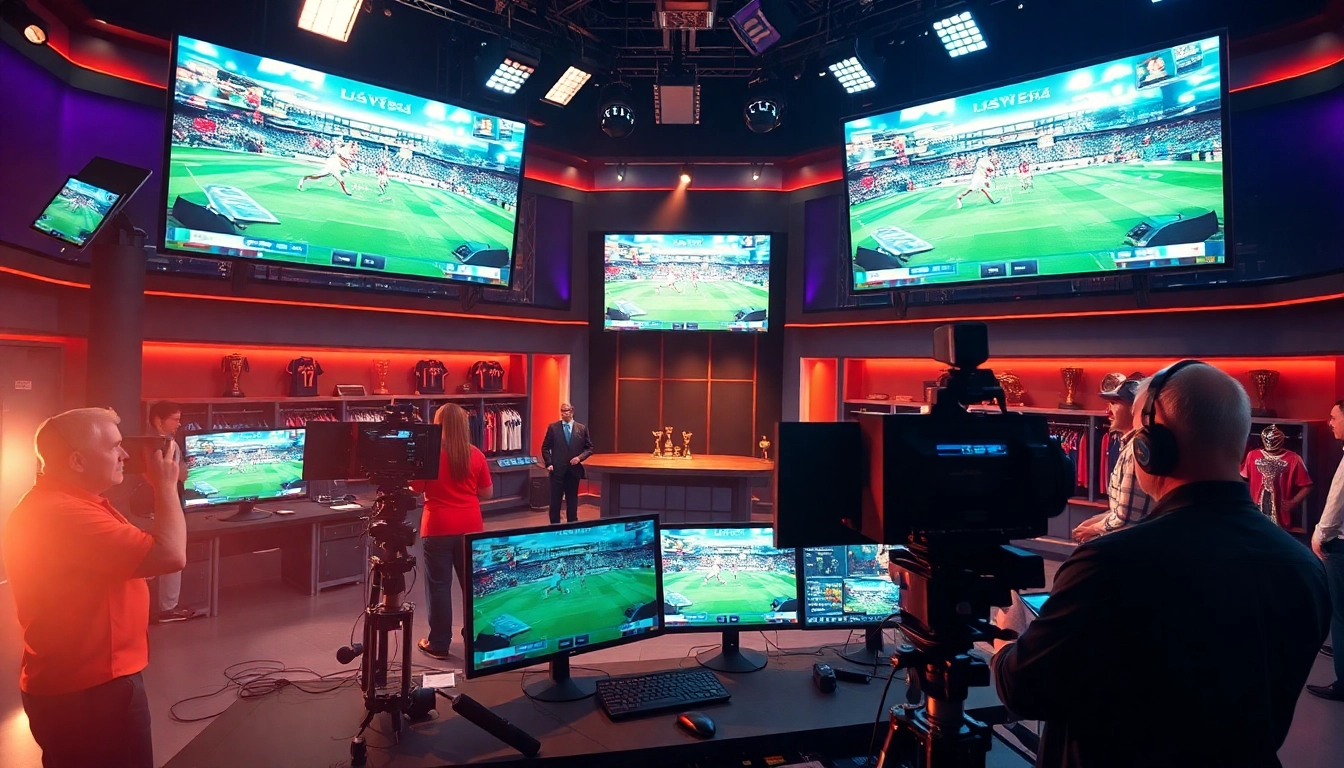
The Evolution of Sports Broadcasting
Sports broadcasting has undergone significant transformations over the decades, evolving from radio updates to high-definition live streaming accessible globally. As the demand for sports content has surged, the evolution of this industry reflects broader technological advancements and shifting consumer preferences. Understanding this evolution is crucial for anyone interested in the field of Sports Broadcasting today.
Historical Milestones in Sports Broadcasting
The history of sports broadcasting is rich with milestones that have shaped how we consume sports today. In the early 1920s, radio broadcasts began to air sports updates, allowing fans to keep up with their favorite teams from home. By the 1930s, significant events like the World Series and the Olympics were broadcasted live on radio, capturing the attention of sports enthusiasts across the nation.
The introduction of television in the 1950s marked a pivotal shift, as viewers could now watch their favorite teams play in real-time from the comfort of their homes. Major broadcasts such as the 1961 NFL Championship game paved the way for regular sports programming. As technology progressed, cable networks began to emerge, leading to a more diverse range of sports being televised and creating dedicated networks solely for sports content.
Fast forward to the 21st century, the advent of the internet revolutionized accessibility, further pushing the boundaries of sports broadcasting. Streaming platforms began to offer sports content, allowing viewers to watch games on-demand and through mobile devices. This transition has opened new avenues for engagement and broadcasting strategies, setting the scene for the contemporary sports landscape.
Technological Innovations Shaping Sports Broadcasting
The transformation in sports broadcasting has been largely driven by technological innovations. HD and 4K broadcasting have improved visual experiences for viewers, ensuring they feel as though they are present at the event. Innovations such as instant replay, graphics enhancement, and multi-camera setups contribute to a more engaging viewing experience.
Moreover, the integration of augmented and virtual reality (AR/VR) is poised to revolutionize how fans interact with sports content. For instance, AR allows viewers to access real-time statistics and player information by overlaying graphics on their screens, enhancing the understanding of the game. As these technologies become more accessible, they will further push the envelope of traditional broadcasting methods.
The Shift to Digital Platforms in Sports Broadcasting
The shift to digital platforms represents a monumental change in sports broadcasting. Feeding the demand for customizable viewing experiences, streaming services like Netflix and Amazon Prime have started acquiring rights to various sports leagues. This shift not only caters to a younger demographic that prefers on-the-go viewing but also introduces innovative advertising models tailored to digital audiences.
Social media platforms have also emerged as powerful tools for sports broadcasting, allowing fans to engage with streams, highlights, and commentary in real-time. Teams and leagues now actively engage their audiences through platforms like Twitter, Instagram, and TikTok, amplifying the conversation and enhancing fan experience beyond traditional broadcasting confines. This interconnectedness has redefined how audiences perceive sports content, leading to increased fan loyalty and engagement.
Core Techniques in Sports Broadcasting
As the landscape of sports broadcasting continues to evolve, several core techniques are vital for success. These techniques focus on commentary, storytelling, and analytics, each playing an essential role in producing captivating broadcasts.
Effective Commentating Strategies in Sports Broadcasting
Commentating is one of the most critical aspects of sports broadcasting. Successful commentators possess a blend of knowledge, charisma, and the ability to engage viewers. An effective commentator must cultivate a distinct style that resonates with audiences while employing several strategies for success.
Firstly, in-depth knowledge of the sport is essential. Understanding the rules, the players, and the game’s history helps broadcasters convey context, enriching the viewer experience. Furthermore, using descriptive language while maintaining an exciting pace can keep audiences engaged, making even the most mundane moments thrilling.
Another important aspect is the ability to read the game’s dynamics and provide real-time analysis. Expert commentators move beyond mere play-by-play to analyze strategies, player performances, and critical moments, providing viewers with deeper insights into the unfolding action. Balancing enthusiasm and professionalism is also key, as overly dramatic commentary can detract from the viewing experience.
Audience Engagement through Storytelling in Sports Broadcasting
Storytelling in sports broadcasting is a powerful way to engage audiences and create emotional connections. Effective storytelling involves focusing on narratives surrounding teams, players, and key moments, turning a mere game into an epic tale.
Broadcasters can strengthen this emotional connection by incorporating player backgrounds, rivalries, and historical context into their commentary. Highlighting personal stories and struggles of athletes not only adds depth to the broadcast but invites viewers to invest emotionally in the outcomes of games.
Utilizing graphics and replay footage can enhance storytelling. By integrating these elements, broadcasters can visualize players’ journeys and vital turning points within a game, creating a compelling narrative thread that keeps fans captivated throughout the broadcast.
Understanding Analytics in Sports Broadcasting
Analytics is revolutionizing sports broadcasting, providing valuable insights that enhance viewer experiences. Broadcasters increasingly rely on data to inform their commentary, offering statistics and trends that deepen audience understanding.
Understanding advanced metrics allows commentators to present insights that aren’t visually apparent. For example, discussing a player’s efficiency ratings or team trajectories throughout a season provides audiences with a broader perspective on performances.
Moreover, broadcasters must strike a balance between using analytics and maintaining viewer engagement. Overloading audiences with statistics may alienate casual fans, so presenting data in a digestible format is essential. Data visualization, such as infographics and real-time stats overlays, can facilitate comprehension while offering valuable insight.
Challenges Faced in Sports Broadcasting
Despite the advancements in sports broadcasting, several challenges persist. These include funding and sponsorship difficulties, logistics in managing live events, and navigating the often complex landscape of licensing and rights.
Funding and Sponsorship Difficulties in Sports Broadcasting
Securing funding and sponsorship is a critical challenge for sports broadcasters. With the rising costs associated with securing broadcast rights, production, and delivering high-quality content, broadcasters may struggle to maintain profitability.
Brands often seek to associate themselves with sports broadcasts due to the large audiences they attract; however, forming fruitful partnerships requires negotiation skills and strategic alignment. Broadcasters must innovate sponsorship models that integrate brands thoughtfully within broadcasts without alienating viewers.
The emergence of eSports and alternative sports broadcasts presents new sponsorship opportunities, allowing traditional broadcasters to seek diverse revenue streams amid changing viewership dynamics.
Managing Live Event Logistics in Sports Broadcasting
The logistics of managing live sports events presents numerous challenges. Coordinating camera placements, managing multiple feeds, and ensuring seamless production requires meticulous planning and real-time decision-making.
Scheduling is another major concern, as many sports occur simultaneously, creating potential conflicts not only for broadcasters but also for viewers looking to maximize their viewing experience. Collaborating with sports organizations for scheduling and ensuring suitable broadcasting windows is paramount to delivering an effective broadcast.
Technological reliability additionally plays a crucial role; any malfunctions during live broadcasts can severely hinder viewing experiences, leading to significant financial implications. Therefore, having backup systems and skilled technicians on-site remains foundational for high-quality broadcasts.
Navigating Licensing and Rights Issues in Sports Broadcasting
Licensing and rights issues are complex and often vary across different sports and regions. Broadcasters must navigate a labyrinth of agreements and regulations to gain access to broadcast certain events, which can be resource-intensive.
Securing the necessary licenses is crucial not only to legally broadcast events but also to avoid potential lawsuits that can arise from unauthorized content distribution. Establishing clear, transparent negotiations with leagues and governing bodies is essential for creating successful partnerships.
Moreover, international broadcasting presents its own set of challenges, with differing regulations and rights in various countries. Understanding these nuances is vital for effectively reaching global audiences and maximizing viewership potential.
Best Practices for Aspiring Sports Broadcasters
Aspiring sports broadcasters should adopt best practices to ensure their growth and success in this competitive field. Developing a unique voice, building a professional network, and committing to ongoing education are critical steps.
Developing Your Voice and Style in Sports Broadcasting
One of the first steps to becoming a successful sports broadcaster is discovering and developing a unique voice and style. This involves self-reflection and finding ways to express personality through commentary. A broadcaster’s voice should complement their understanding of the sport and resonate with audiences.
Practicing regularly, whether through hosting mock broadcasts or recording commentary, can help refine one’s style. Gathering feedback from peers and mentors offers valuable insights into strengths and areas for improvement, ultimately leading to establishing a distinctive persona that stands out in the industry.
Building a Professional Network in Sports Broadcasting
Networking is essential in sports broadcasting; connections can lead to opportunities, mentorship, and collaborations. Aspiring broadcasters should actively engage in industry events, conferences, and workshops to meet seasoned professionals.
Joining online forums, social media groups, and other community platforms also allows budding broadcasters to engage with established practitioners, gaining insights and advice. Building a recognizable portfolio through social media can further enhance visibility, showcasing skills and attracting interest from potential employers.
Continuing Education and Training in Sports Broadcasting
The sports broadcasting landscape is always evolving, making ongoing education crucial. Aspiring broadcasters should seek further training through workshops, online courses, and internships to stay updated on the latest trends and technologies.
Many prestigious institutions and online platforms offer courses that dive into the nuances of sports broadcasting, covering topics like media law, production techniques, and digital tools. By consistently seeking educational opportunities, aspiring broadcasters can enhance their skill sets and increase their market competitiveness.
Measuring Success in Sports Broadcasting
To gauge performance in sports broadcasting, an array of success metrics can be utilized. Understanding key performance indicators (KPIs), audience feedback, and adapting strategies are vital to continual improvement.
Key Performance Indicators for Sports Broadcasting
Measuring success in sports broadcasting often requires careful evaluation of KPIs. Metrics such as viewership numbers, consumer engagement rates, and revenue generated provide quantifiable insights into performance.
Understanding audience demographics is equally essential, enabling broadcasters to tailor content to specific viewer segments. Analyzing these KPIs can highlight areas for improvement and guide strategic decisions moving forward.
Audience Feedback and Ratings in Sports Broadcasting
Audience feedback plays a crucial role in refining broadcasts. Ratings systems, viewer surveys, and social media engagement all offer insights into audience preferences and perceptions. Broadcasters should actively solicit this feedback to identify what resonates and what doesn’t.
Engagement metrics, such as shares, comments, and likes can also signal which elements of broadcasts are most effective. Analyzing these interactions helps broadcasters align their content with audience expectations, fostering a loyal viewership.
Adapting Strategies Based on Performance Metrics in Sports Broadcasting
Adaptability is paramount in the fast-paced world of sports broadcasting. By analyzing performance metrics and adapting strategies accordingly, broadcasters can stay competitive in a constantly evolving landscape.
This may involve experimenting with different formats, trialing new technologies, or even shifting focus to emerging sports. Continually refining content based on audience needs and market shifts will ensure broadcasters can navigate challenges successfully and capitalize on new opportunities.
Frequently Asked Questions (FAQs)
What are the main types of sports broadcasting?
The main types of sports broadcasting include live event coverage, pre-game and post-game shows, highlight reels, and sports news programs. Each type caters to different viewer interests and can be delivered through various platforms.
How has technology impacted sports broadcasting?
Technology has significantly enhanced sports broadcasting through high-definition broadcasts, live streaming, social media integration, and advanced analytics, enriching the viewing experience and audience engagement.
What skills are essential for sports broadcasters?
Essential skills for sports broadcasters include in-depth sports knowledge, effective communication, audience engagement techniques, adaptability, and a solid understanding of analytics to enhance commentary.
Why is audience feedback important in sports broadcasting?
Audience feedback is vital as it provides insight into viewer preferences, helping broadcasters refine their content to better align with audience interests, ultimately driving engagement and loyalty.
How can aspiring sports broadcasters network effectively?
Aspiring sports broadcasters can network by attending industry events, joining online forums, participating in workshops, and leveraging social media platforms to connect with professionals in the field.